
Development & play
How babies learn, move and play
A first word, a game of peekaboo and the reach for a favorite toy each give caregivers something to notice. Explore what an ordinary moment can tell you.
Where to start
Try a journal tool
- Try one back-and-forth play idea
- Compare what caregivers see at potty time
- Make a short bedtime handoff
Browse other journal topics
All 13 guides
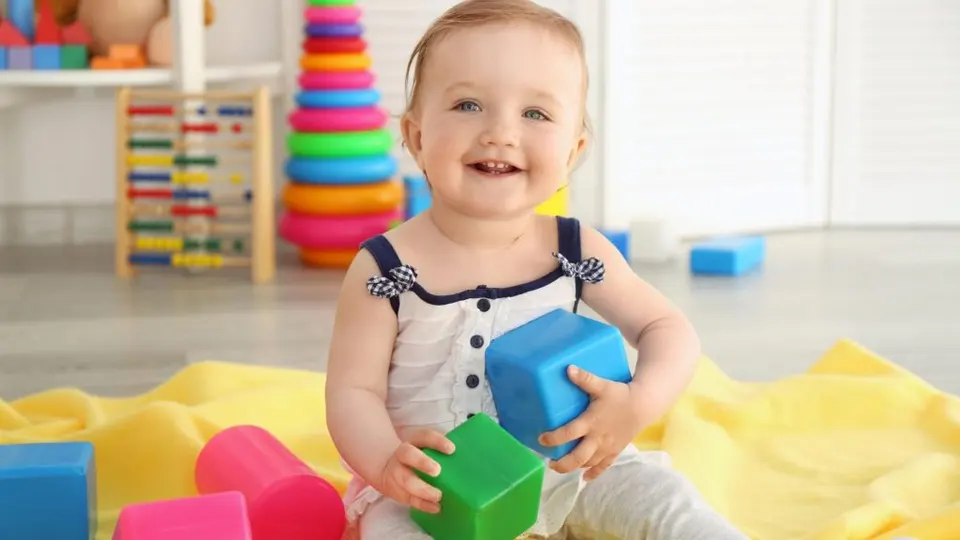
How Babies Learn Through Everyday Back-and-Forth Play
Follow a baby’s glance, answer a sound and wait for a response. Everyday moments give you a way to play together without buying a learning toy.

Does Classical Music Make Babies Smarter? The Mozart Study
The famous Mozart study tested college students on a spatial task. Here’s what that experiment can tell parents and how to enjoy music with a baby.

3 First-Year Milestones You Might Notice During Play
Looking for a hidden object, playing pat-a-cake and using a special name are first-year milestones you can spot in ordinary family moments.
When Is a Child Ready to Start Potty Training?
Interest, communication and getting to the potty are separate skills. See what readiness looks like and how to introduce the routine without pressure.
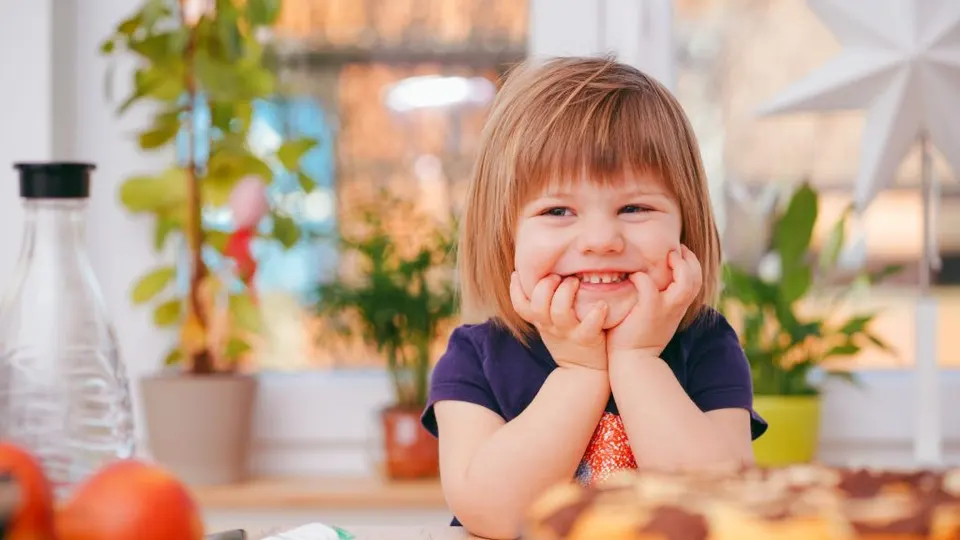
When Does a Baby Become a Toddler? What Changes at One
The toddler years generally begin around the first birthday. Understand the age label and the movement, play and communication changes that follow.

How Long Do Children Wear Diapers? Daytime and Nighttime
Leaving daytime diapers and waking dry happen on different timelines. See how to choose the next practical step for home and daycare.
What Music Should You Play for Your Baby? Start With Your Voice
A lullaby, a family song or a familiar tune can become a shared ritual. Learn how to follow your baby’s response and keep listening comfortable.
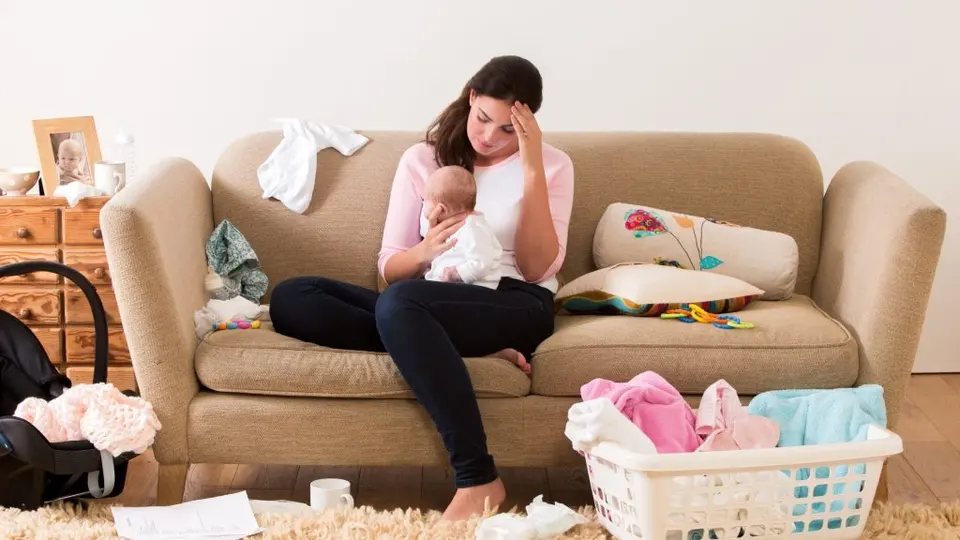
Can Babies Sense Your Stress? What Helps in the Moment
Babies notice voices, faces and changes in interaction. Learn what research says about stress and what to do during a hard moment together.
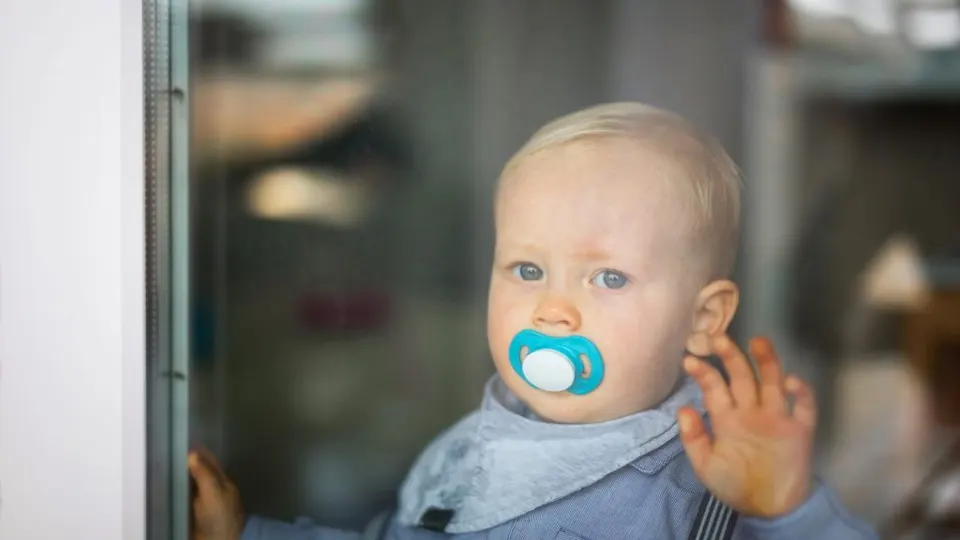
Separation Anxiety in Babies and a Goodbye They Can Recognize
Separation anxiety often appears in the second half of the first year. Build a brief goodbye for daycare, a sitter or bedtime.
How to Choose Baby Toys for Grasping, Reaching and Exploring
Compare a rattle, ball, stacking rings and a sorting toy by how your baby can play with each. Check age labels, loose parts and recalls.

When Do Babies Say Their First Words? From Sounds to Meaning
Learn what counts as an early word, what the CDC describes around 12 and 15 months, and how to notice a word in an everyday exchange.
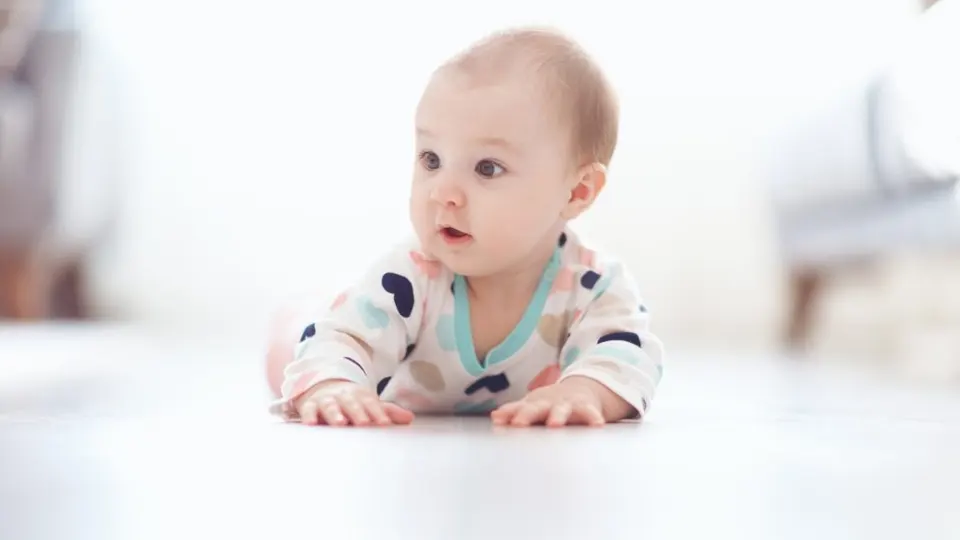
When Do Babies Roll Over? The First Attempts Matter
Rolling from tummy to back appears on the CDC’s six-month checklist. Learn why trying to roll changes swaddling before the first complete roll.
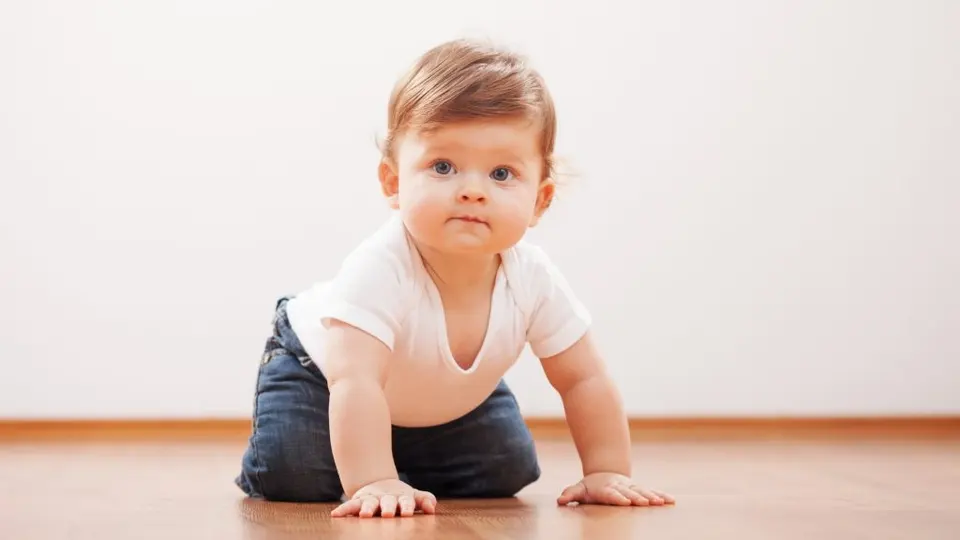
When Do Babies Crawl? Scooting, Crawling and Skipping It
Learn how babies get moving during the first year, why some skip hands-and-knees crawling and what observations to bring to a checkup.
A free 15-minute phone call
Has a new stage changed your nights?
Tell Rachelle what evenings looked like before and what they look like now. Your child’s pediatric team can help with questions about development.
Rachelle will listen, talk through whether her support fits and explain the options. You decide what happens next.
Explore the free assessment