
Sleep & routines
Baby sleep and bedtime routines
From the first night in your room to the bedtime story your toddler asks for twice, start with the part of the night that has you wondering.

Where to start
Try a journal tool
- How long was that stretch of sleep?
- Translate a wake-up across the clock change
- Walk through the sleep space
Browse other journal topics
All 27 guides

Is My Newborn Getting Enough Sleep? Read the Whole Day
Short naps can add up across day and night. See how to describe waking, feeding and changes from your newborn’s usual pattern to the pediatrician.
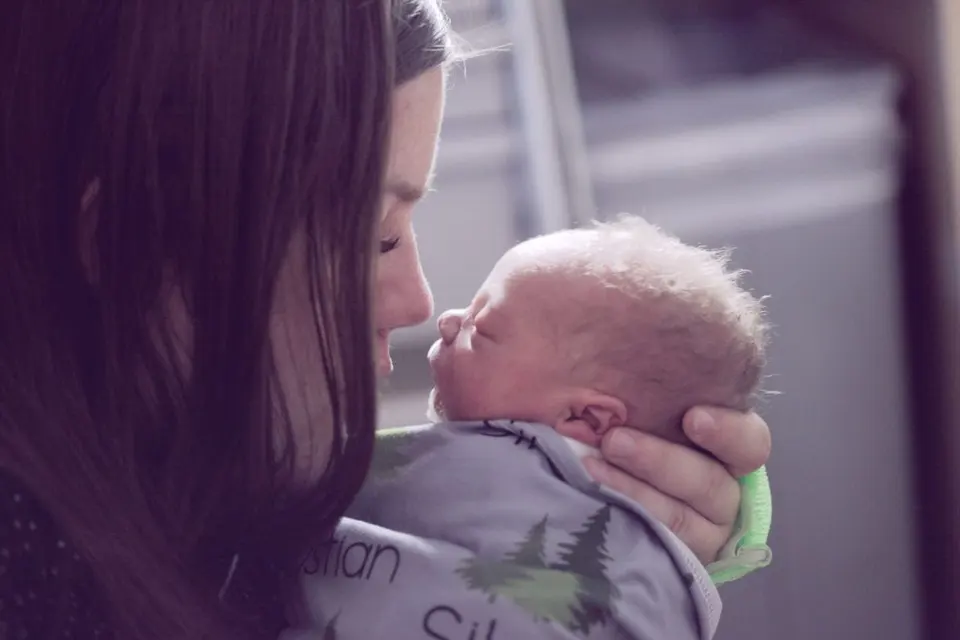
Can a Newborn Sleep Too Much? When Sleepiness Is Urgent
Look for changes in waking, sucking and feeding. Learn when a sleepy newborn needs a call now and when to seek emergency help.

Do Newborns Dream? What Active Sleep Can and Can’t Tell Us
Twitches, smiles and noises can happen during active sleep. Learn what you can observe and why a newborn’s dream content remains unknown.

How Much Do Newborns Sleep in 24 Hours?
See how naps and short nighttime stretches add up across a newborn’s day. Use the sleep calculator to measure a stretch, including when it crosses midnight.

When Do Babies Start Sleeping Through the Night?
Find out why the first long stretch of baby sleep can still include night feeds, what parents mean by “through the night,” and what to ask about waking.
Can Both Parents Sleep When Their Newborn Sleeps?
Both adults can rest when a newborn sleeps. See how a separate crib in your room works, how to share night feeds, and when to follow a care plan.
How Long Should Your Baby Sleep in Your Room?
The AAP recommends sharing a room for at least six months on a separate sleep surface. Check your setup and what to do if your baby outgrows the bassinet.
When Can a Baby Sleep With a Blanket?
Keep loose blankets out of the crib during the first year. See ways to keep an infant comfortable and how to save a treasured quilt for later.
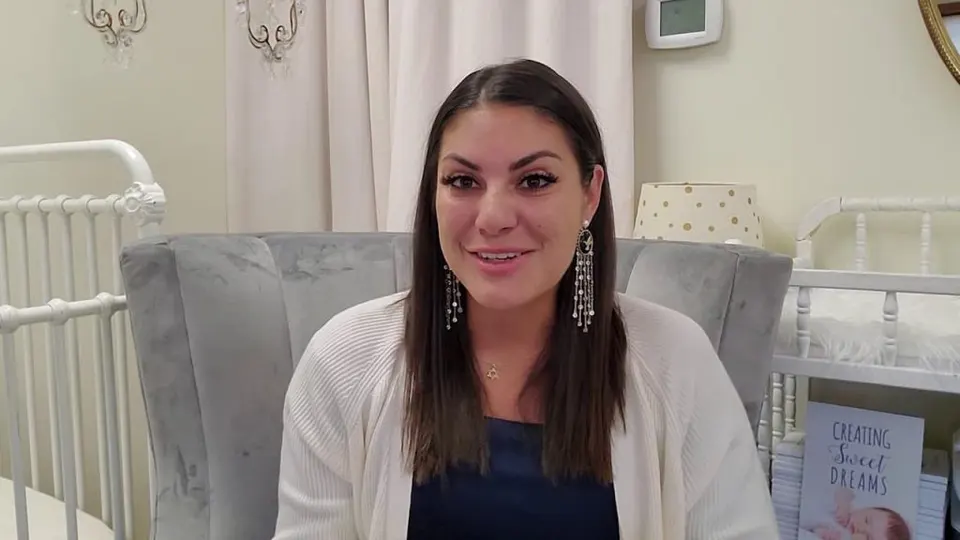
Sleep by Rachelle’s Sleep Tips for Talking About One Hard Night
This Sleep by Rachelle archive entry includes a written guide to describing one hard night, comparing caregivers’ notes and choosing a question for a call.
Baby Sleep When the Days Get Shorter
Track how earlier sunset changes familiar bedtime signals, from the after-dinner walk to the last story. Seasonal darkness and a clock change work differently.

What Is Your Baby’s Sleep Pattern? Observe It Without a Label
Describe what happens around your baby’s sleep using concrete examples of setting, timing and caregiver responses. Compare two nights without assigning a type.

Five Bedtime Routine Snags and How to Untangle Them
Find the bedtime step that keeps getting stuck, work through five routine snags, and make a short handoff the next caregiver can use tonight.
A Homeschool Sleep Schedule That Leaves Room for Family Life
Give schoolwork a clear end when home is also the classroom. Plan mornings, sibling naps and evening routines around the adults and children in the house.

Baby Sleep and Daylight Saving Time With a Wake-Up Calculator
Translate your baby’s usual wake-up after spring forward or fall back. Try a clock-change calculator, then plan around day care and a familiar bedtime routine.
What Is a Baby Sleep Regression? Look at What Changed
More frequent waking after a settled stretch is often called a sleep regression. Compare nights, naps and daytime behavior before deciding what to do next.
Four-Month Sleep Changes and the “Sleep Regression”
What families mean by a four-month sleep regression, how infant sleep cycles are changing and which observations to bring to the pediatrician or a sleep call.
When to Stop Swaddling and What to Use Next
Stop swaddling as soon as a baby shows signs of trying to roll. Learn what to check in a sleep sack and how to explain the change to another caregiver.

How to Make Your Child’s Room Feel Welcoming at Bedtime
Help a child feel at home in their room with daytime play, small choices and a familiar ending to bedtime. Keep the infant sleep space simple and clear.
Swaddling Safely From the First Wrap to the Last Nap
Check hip room, a secure fit, back sleeping and an unweighted wrap. Know when trying to roll means it is time to stop swaddling altogether.
What Does Sleep Training Mean in Your Household?
Sleep training means different things to different caregivers. Ask what would happen during a wake-up, which responses are welcome and when a plan should pause.
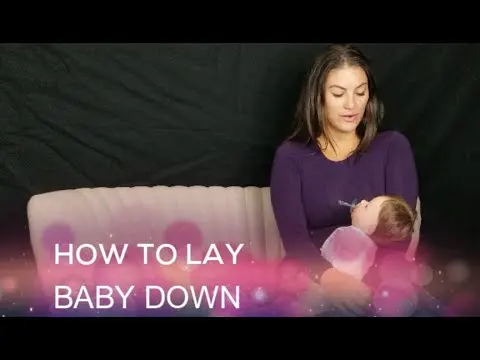
Before You Lay Baby Down, Check the Crib or Bassinet
Prepare an empty, firm, flat infant sleep space before you pick up a sleepy baby. Includes a crib check for grandparents, sitters and overnight visits.
How to Lay a Baby Down on Their Back for Every Sleep
Begin every infant nap and night on the back, on a firm, flat sleep surface. Find guidance for reflux, rolling and handoffs between caregivers.
How Feeding and Sleep Patterns Change as Babies Grow
Read the introduction to Rachelle’s historical growth series with current guidance. Describe changes in feeds and night waking without using weight as a timetable.
Should You Wake an Eight-Pound Newborn to Feed?
Eight pounds can describe babies of very different ages. Learn which details matter when asking the pediatrician whether to wake your newborn for a feed.

My Ten-Pound Baby Is Sleeping Longer Between Feeds
A new longer stretch at ten pounds raises a feeding question, not an automatic change in schedule. Here is what the pediatric team needs to know.
When a Twelve-Pound Baby’s Naps Start Changing
Shorter naps or a skipped nap can raise questions about the rest of the day. Track what shifted and keep decisions about feeds tied to the care plan.

Can a Fifteen-Pound Baby Drop a Night Feed?
A scale reading alone cannot determine readiness to drop a night feed. Bring your baby’s age, growth history and overnight cues to the pediatrician.
A free 15-minute phone call
Which part of the night feels hardest?
A bedtime that stretches on, a new wake-up, a handoff that never quite works. Tell Rachelle about the part you know best.
Rachelle will listen, talk through whether her support fits and explain the options. You decide what happens next.
Explore the free assessment